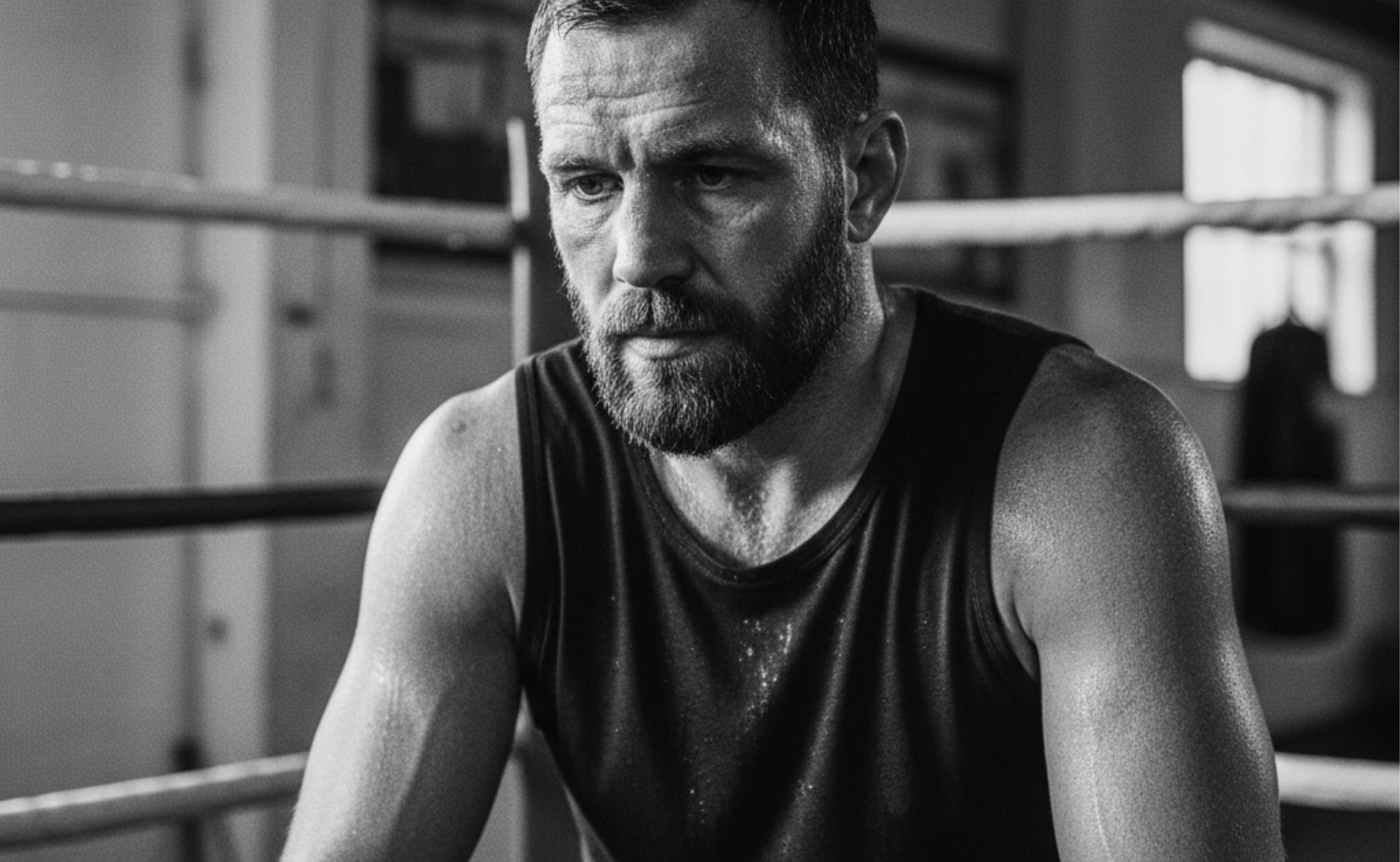
How Boxing Training Compares to Other Sports
Boxing training has always stood apart from most other forms of athletic preparation. It is not designed around comfort, enjoyment, or even balance. Instead, it is built to prepare an individual for pressure, fatigue, and confrontation. When compared to other sports, boxing demands a unique combination of physical conditioning and mental control that few disciplines can match.

Conditioning: Full-Body Demand vs Specialisation
Most sports prioritise specific physical traits. Runners focus on cardiovascular endurance. Weightlifters train maximal strength. Footballers develop speed, agility, and tactical awareness within defined roles.
Boxing, by contrast, requires all of these qualities at once. Fighters must sustain high heart rates for extended periods while maintaining coordination, balance, and precision. Conditioning sessions combine roadwork, skipping, pad work, bag work, and sparring, often in the same training cycle. Very few sports demand sustained output from every major muscle group while also requiring constant decision-making under fatigue.
Cardiovascular Load and Energy Use
Studies consistently show boxing to be one of the most demanding sports in terms of energy expenditure. An hour of boxing training can burn between 600 and 900 calories, comparable to high-intensity interval training and competitive football.
Unlike steady-state cardio, boxing training is intermittent. Explosive bursts of effort are followed by short recovery periods, closely mirroring the stress of competition. This trains the body to recover quickly under pressure, a quality less emphasised in endurance-based sports such as cycling or distance running.
Strength, Power, and Efficiency
In many strength-based sports, progress is measured by visible gains. Boxing operates differently. Excess muscle mass can become a liability, increasing fatigue and reducing mobility.
Boxers train strength for function, not appearance. Core stability, rotational power, grip strength, and leg endurance matter more than maximal lifts. This focus on efficiency rather than size is one reason boxing physiques have historically remained lean, practical, and built for movement.
This approach to preparation has also shaped broader boxing culture, including how men's boxing apparel developed around freedom of movement and durability rather than aesthetics.
Skill Under Pressure
What truly separates boxing from most other sports is the requirement to perform skills while under direct physical threat. In football or rugby, decision-making is shared among teammates. In boxing, responsibility is individual and immediate.
A boxer must read distance, anticipate intent, manage fatigue, and execute technique while absorbing impact. Very few sports require technical accuracy while the athlete is being actively attacked. This constant exposure to pressure is why boxing training develops mental resilience in ways that are difficult to replicate elsewhere.
Injury Risk and Control
Boxing is often perceived as uniquely dangerous, yet injury rates in boxing gyms are comparable to contact sports such as rugby and American football. The key difference lies in control.
Training environments emphasise discipline, restraint, and gradual exposure. Sparring is managed, not constant. Technical development is prioritised before intensity. This structured approach reduces unnecessary damage and reinforces respect for longevity, something not always present in collision-based team sports.
Boxing Compared to Team Sports
Team sports benefit from shared responsibility. Mistakes can be absorbed by collective effort. Boxing offers no such buffer. Preparation is individual, accountability is absolute, and performance cannot be hidden.
This difference explains why boxing training often produces transferable qualities beyond sport. Discipline, routine, and the ability to function under pressure are developed through necessity, not design.
Conclusion
When boxing training is compared to other sports, its uniqueness becomes clear. It demands endurance without comfort, strength without excess, and skill under constant pressure. The preparation required is uncompromising, but so are the results.
This is why boxing continues to command respect across sporting cultures. Its training methods shape not just athletes, but mindsets. That discipline still defines the sport today, influencing how fighters prepare, how gyms operate, and even how a boxing clothing brand approaches functionality.